
When American moms think about moving abroad, holidays are often an afterthought.
But once you live somewhere long-term, especially with children, you realize holidays aren’t just celebrations. They shape your schedule, your stress level, and your family’s rhythm.
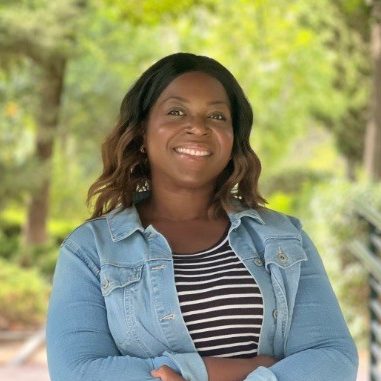
As a mom from New Jersey living in Spain, I’ve learned that the holiday season here isn’t better or worse than the U.S.; it’s simply structured differently. And those differences affect family life in very practical ways.
If you’re an American mom researching holidays in Spain, Christmas in Spain with kids, or what life abroad actually looks like, this is what stands out.
Christmas in Spain Is a Season, Not a Single Day
In the U.S., Christmas tends to peak on December 25th. Everything leads up to that day, and once it passes, the season quickly winds down.
In Spain, the holiday season stretches from early December through January 6th. That extended timeline changes how families experience it.
- There’s less pressure for one “perfect” day
- Celebrations are spread out
- Kids have multiple moments to look forward to
For families, this creates a steadier pace rather than a single high-stress moment.
The Three Kings Matter More Than Santa
One of the most noticeable differences for American families is that the Three Kings (Los Reyes Magos) are more important than Santa Claus.
While Papa Noel exists, the main gift-giving tradition happens on January 6th, not December 25th.
This means:
- Children focus on anticipation rather than immediacy
- Gift-giving is delayed, not eliminated
- Christmas Day itself is calmer
This is different from many Latin American countries, where Baby Jesus brings gifts, and from the U.S., where Santa dominates the season.
Christmas Eve and Christmas Day Follow Clear Traditions
In Spain, holiday meals are predictable and simple.
Christmas Eve (Nochebuena):
- Traditionally seafood-based
- A late family dinner
- Focus on gathering, not gifts
Christmas Day:
- Beef or roasted meats
- Smaller, quieter meals
- More time at home
For American moms used to managing multiple meals, events, and expectations, this simplicity is noticeable.
Winter Break in Spain Is Longer
Spanish schools close for approximately three weeks for winter break.
This affects daily life more than most people realize:
- Families don’t need to arrange short-term childcare
- Travel feels less rushed
- Kids have time to rest, not just recover
For American moms used to shorter school breaks, while still working, this longer pause, in tandem with your time off, changes how the holiday season feels overall.
City Governments Play a Big Role in Family Celebrations
Another difference is how much local governments are involved.
In Spain, the Ayuntamiento (city hall) organizes:
- Holiday markets
- Light displays
- Children’s activities
- Public celebrations
These events are typically free or low-cost and designed for families who live there, not tourists. As a result, holiday activities are built into daily life rather than added on.
The Holiday Season Ends With the Cabalgata de los Reyes Magos
On January 5th, cities across Spain host the Cabalgata de los Reyes Magos, a large public parade welcoming the Three Kings.
This is not a niche event. Schools, shops, and families all plan around it.
For children, it serves as the main holiday climax.
For parents, it provides a clear and shared ending to the season.
Why These Differences Matter for Moms Considering Life Abroad
None of these differences means one country does holidays “better.”
What they show is how structure affects stress.
Spain’s holiday system:
- Spreads celebrations over time
- Reduces pressure on parents
- Integrates families into public life
- Aligns school schedules with family needs
For American moms considering a long-term move abroad, these everyday systems often matter more than scenery or weather.
Final Thought
Living abroad isn’t about replacing traditions. It’s about adapting to different ones.
For American moms Spain’s holiday season offers a clear example of how family life can be organized differently, without excess, without rush, and without requiring moms to carry everything alone.
And for many families, that difference is worth paying attention to.
Thinking about moving abroad and don’t know where to start? I can help!
Book a 1:1 call with me and check out my guides and checklists.
Leave a Reply