I want to start by saying this clearly.
I loved the Three Kings parade in Alicante. I LOVE Spain. I love my life here.
The Cabalgata was magical, generous, loud, emotional, and deeply centered on children in a way that felt genuinely joyful. Candy is raining from the sky. Families packed shoulder to shoulder. Kids were wide-eyed, screaming with excitement. It was one of those moments where you understand why traditions endure.
And yet, when King Balthazar appeared, something in me tightened.
Because in 2026, in a diverse city like Alicante, he was still portrayed in blackface.
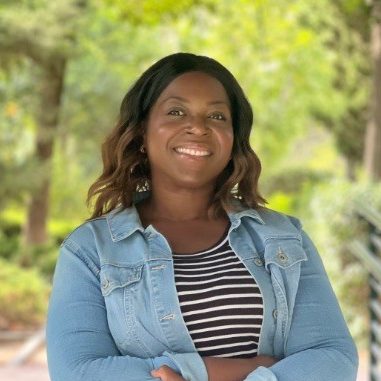
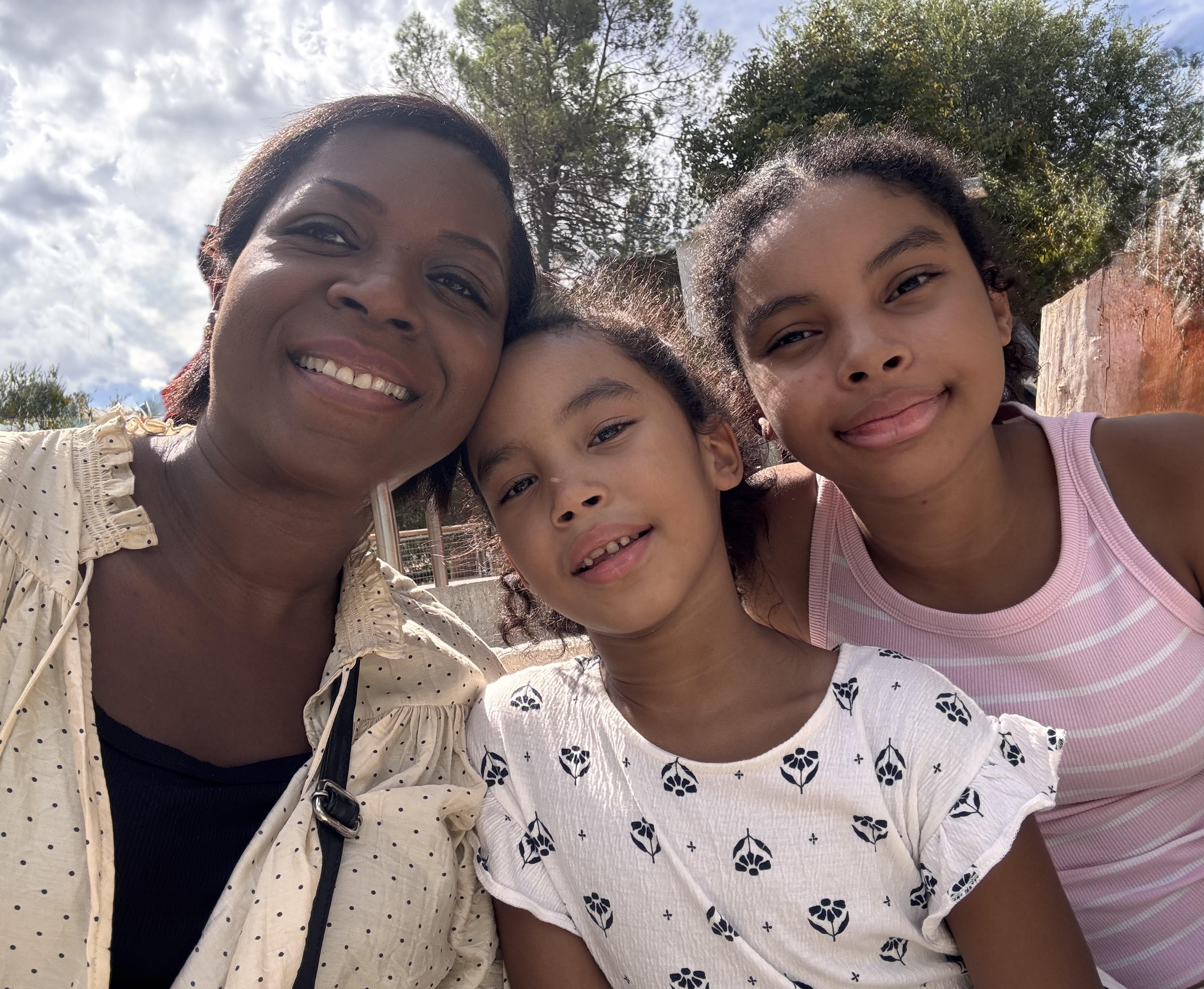
As a Black mother raising interracial children, I cannot pretend that it did not land heavily.
This post is not an attack. It is not a cancellation. It is a question. A reflection. And an honest attempt to sit with the discomfort instead of dismissing it.
What Is the Three Kings Tradition in Spain?
For those unfamiliar, the Three Kings, or Los Reyes Magos, are central to Spanish Christmas culture. Rather than Santa Claus, it is the Three Kings who traditionally bring gifts to children on January 6th.
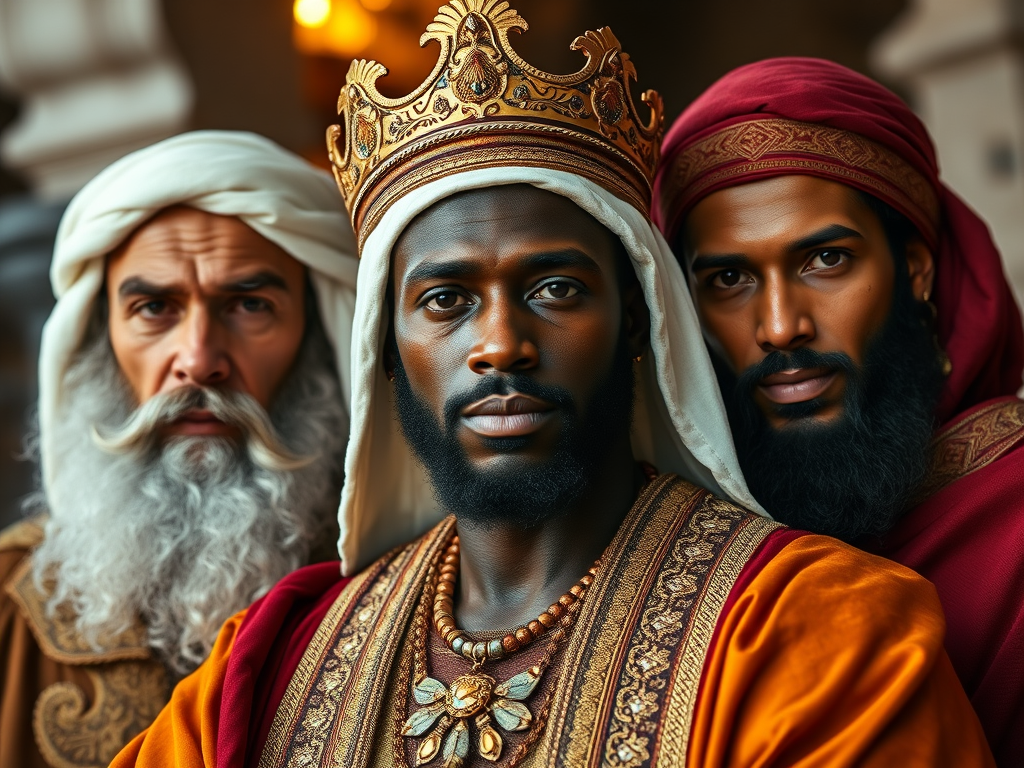
One of those kings, Balthazar, is historically depicted as Black.
Every January, cities across Spain host elaborate parades called Cabalgatas, where the kings arrive, greet children, and throw candy. These parades are beloved. They are emotional. They are community events that many Spaniards associate with their own childhoods.
In recent years, several major cities, including Madrid, Málaga, Sevilla, and others, have chosen to cast Black men to portray King Balthazar.
And yet, many cities, including Alicante, still rely on blackface.
Which brings us to the uncomfortable question.
In 2026, Why Is Blackface Still Happening?
One of the most common explanations given is tradition.
Another is logistics. That there are not enough Black people available or willing to portray the king.
But that explanation feels increasingly thin.
Spain in 2026 is not the Spain of decades past. There are Black Spaniards. Afro Spanish families. African immigrants. Caribbean descendants. Latin Americans of African descent. Interracial families. Multicultural classrooms.
Alicante itself is diverse.
So when people say, “There are not enough Black people,” what they often mean is, “We have never had to look before.”
Tradition explains how something started. It does not automatically justify why it continues unchanged.
Is It Racist or Is It Harmless Tradition?
This is where the conversation becomes complicated.
In the United States, blackface has an extremely violent and dehumanizing history. It was used to mock, caricature, and justify the oppression of Black people. That history is deeply embedded in the American psyche.
Spain does not share that same historical context in the same way.
There were no minstrel shows here. No Jim Crow. No segregation laws written into the fabric of society in the same way.
So yes, my American lens matters.
It absolutely shapes how I see this.
And I have asked myself honestly: Am I bringing American baggage into a Spanish tradition?
But here is where that question falls short.
Intent does not erase impact.
Even if the historical roots are different, blackface as a visual practice is now globally understood as offensive to many people of African descent. That understanding did not stop at U.S. borders.
And many Black people living in Spain, including Afro Spaniards, have been saying this for years.
What About the Children?
This is the part that matters most to me.
My children are watching.
They see joy. They see magic. But they also see a Black figure represented not by a real Black person, but by painted skin.
What message does that send?
That Blackness is a costume.
That representation is optional.
That inclusion is negotiable when it is inconvenient.
This is not about whether the parade was beautiful. It was.
It is about whether it could be just as beautiful without relying on a practice that makes some children feel uncomfortable, unseen, or reduced.
Other Spanish Cities Have Evolved. Why Not All?
The fact that cities like Madrid, Málaga, and Sevilla have already moved away from blackface matters.
It proves that change is possible.
It proves that tradition can adapt without losing its soul.
No one is asking Spain to erase King Balthazar.
The question is simple. Why not portray him with dignity, using a real Black man, when so many cities already do?
Am I Wrong for Feeling This Way?
This is the question I keep coming back to.
Am I wrong for feeling uncomfortable?
Am I being too sensitive?
Am I imposing American values onto a different culture?
I do not think so.
Because cultural humility goes both ways.
Respecting Spanish traditions does not require silence when something feels harmful. And loving Spain does not mean abandoning my identity, my history, or my responsibility as a mother.
Discomfort is not disrespect.
It is often the beginning of growth.
Holding Two Truths at the Same Time
I can love Spain.
I can appreciate the magic of the Three Kings.
I can be grateful for the safety, joy, and family centered life we are building here.
And I can still say that blackface in 2026 feels outdated, unnecessary, and hurtful.
Those truths can coexist.
Final Thoughts
This is not a demand. It is a conversation.
One rooted in care, not condemnation.
Spain is evolving. Its families are changing. Its classrooms are more diverse. Its future will look different from its past.
Traditions that survive are not the ones that refuse to change. They are the ones that listen.
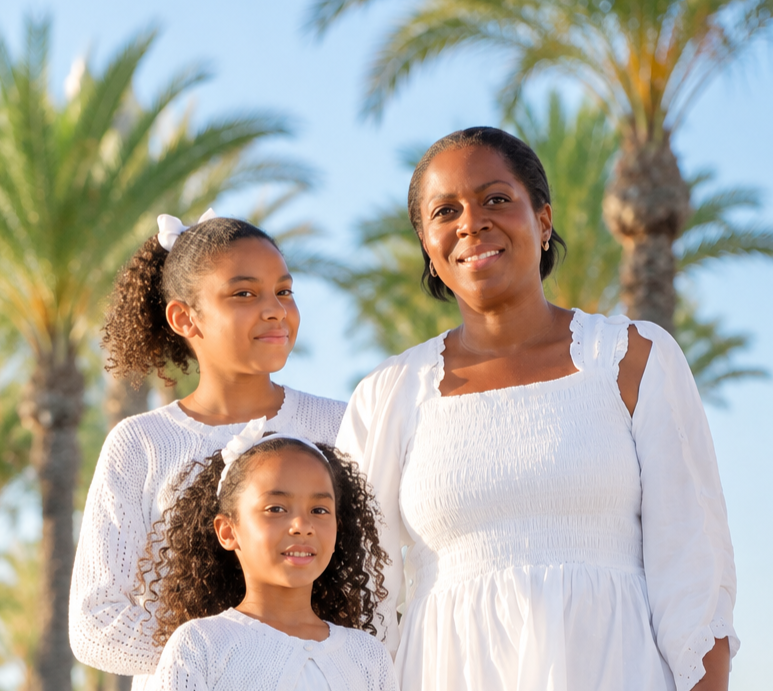
As a Black mother raising children in Spain, I want my kids to grow up loving this country while also feeling fully seen within it.
Asking for representation is not asking for too much.
It is asking for respect.
And no, I do not think that is wrong.

Leave a Reply